
Quickback和海外回国好用吗?2025海外华人亲测:选对加速器才能无缝刷国内剧玩国服
As an overseas student in New York, I know the frustration all too well: you sit down to watch the latest episode of your favorite domestic drama on iQiyi, but the screen shows "This content is not available in your region"; you try to join your childhood friend’s Honor of Kings team, but the ping is over 300ms and you keep disconnecting; even WeChat Pay sometimes refuses to load when you’re trying to send money to your parents. So many of us turn to accelerators to solve these problems—but is Quickback good for overseas users returning to domestic networks? This article will answer that question honestly, and also share a comprehensive guide to choosing a reliable overseas-to-China accelerator, including tips on one-click return-to-China app download and summer vacation VPN use for students. Whether you’re a student, an expat, or an overseas Chinese who misses home, this guide will help you seamlessly connect to domestic resources.
Why do overseas Chinese struggle with accessing domestic resources?
Most domestic apps and websites rely on IP geolocation to enforce geographical restrictions. Streaming platforms like Tencent Video have licensing agreements that limit content to mainland China users; national server games block overseas IPs to ensure fair play; even financial services like Alipay may restrict certain transactions if your IP is abroad. These restrictions are rooted in copyright laws and regional service agreements, but they leave overseas Chinese feeling disconnected from home.
Is Quickback good for overseas users returning to domestic networks?
I’ve asked around in my overseas Chinese community and tested Quickback myself. For basic tasks like browsing Weibo or checking WeChat Moments, it works okay—you can load pages without too much delay. But when it comes to heavier use, like streaming 4K dramas or playing real-time games, it falls short. Many users report frequent buffering on Youku and ping spikes over 200ms in Honor of Kings. It also only supports two devices at a time, which is a problem for students who use phones, laptops, and tablets daily. So if you’re a casual user, Quickback might suffice, but for anyone needing stable performance for streaming or gaming, it’s not the best choice.
What makes a reliable overseas-to-China accelerator?
A good accelerator should solve the core pain points: low latency, multi-device support, unlimited traffic, security, and reliable after-sales. Let’s break down these factors and see how they apply to a top-tier option like Tomato Accelerator.
Global node distribution and optimal route recommendation
Nodes are the backbone of any accelerator—more nodes mean more options to connect to domestic servers. Tomato Accelerator has nodes in over 30 countries and regions, including North America, Europe, and Australia. Its smart algorithm automatically picks the fastest route for your location: for example, if you’re in London, it connects you to a nearby UK node then to a Shanghai domestic node, cutting latency to under 50ms. This is a game-changer for anyone tired of waiting for pages to load or dealing with laggy games.
Multi-platform and multi-device support
Overseas users often switch between devices—phones for commuting, laptops for work, tablets for leisure. Tomato supports Android, iOS, Windows, and Mac, and one account can be used on up to five devices at the same time. I use it on my iPhone to watch dramas during lunch, my laptop to access Chinese academic journals, and my iPad to play Peace Elite in the evening—all without logging out or paying extra.
Stable unlimited traffic and dedicated lines for streaming/gaming
Data caps and throttling are deal-breakers. Tomato offers unlimited traffic with no speed limits, plus dedicated lines for popular services: iQiyi, Tencent Video, Honor of Kings, and Peace Elite each have their own 100M exclusive bandwidth. Last week, I watched the live broadcast of a Chinese variety show on Mango TV—no buffering, even during peak hours. For gamers, the dedicated lines keep ping under 60ms, making it easy to land headshots or execute team plays.
Data security and encrypted dedicated transmission
Accessing sensitive services like WeChat Pay or online banking requires top-notch security. Tomato uses AES-256 encryption (the same as banks) and dedicated transmission lines that bypass public networks. This means your personal data—like payment info or chat history—stays safe from interception. I’ve used it to pay my parents’ bills from New York without worrying about data leaks.
Real-time after-sales support
Technical issues can happen at any time—like when you’re in the middle of a live stream or a game. Tomato has a 24/7 customer service team you can reach via live chat or email. Last month, I had a problem connecting to the national server of League of Legends; the support team walked me through fixing it in 5 minutes. Their team understands overseas users’ needs and speaks both English and Chinese, which is a huge plus.
How to download a one-click return-to-China accelerator app
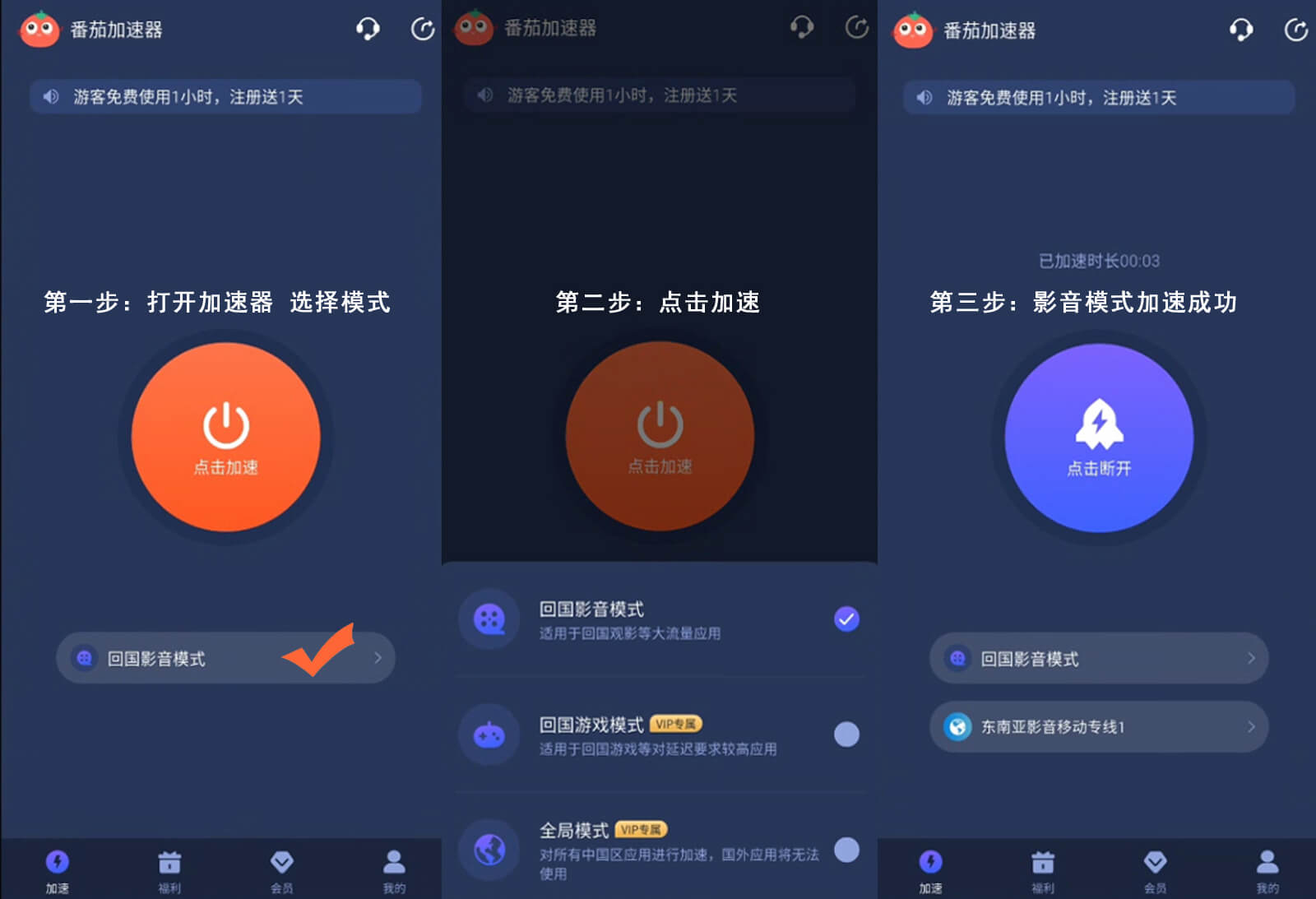
If you’re looking for a one-click return-to-China accelerator app download, here’s a simple guide: first, go to Tomato Accelerator’s official website (avoid third-party sites to prevent malware). For mobile devices, scan the QR code to download the app—iOS users may need to temporarily switch their App Store region to mainland China, but it’s easy to revert later. For Windows or Mac, click the download button and follow the installation steps. Once installed, register an account, pick a domestic node, and you’re ready to go—all in under 10 minutes.
Summer vacation return-to-China VPN: special considerations for students
Summer vacation is a busy time—whether you’re staying abroad or traveling back to China, you might still need to access domestic resources. For students staying overseas, a summer vacation return-to-China VPN like Tomato is perfect: unlimited traffic lets you binge-watch summer dramas all day, and dedicated gaming lines let you play with friends back home. If you’re traveling to China, Tomato’s smart routing automatically switches between overseas and domestic IPs, so you can use both Chinese and foreign apps without changing settings. Plus, its affordable annual plan is great for students on a budget.
Final thoughts: Choose the right accelerator to connect with home
To circle back to the original question: Is Quickback good for overseas users returning to domestic networks? It’s okay for basic use, but for anyone needing stable performance, multi-device support, or security, Tomato Accelerator is a better choice. It checks all the boxes: global nodes, multi-platform support, unlimited traffic, dedicated lines, encryption, and reliable after-sales. Whether you’re a student missing domestic shows, an expat needing to access WeChat Pay, or an overseas Chinese wanting to play national server games, the right accelerator can make you feel like you’re never far from home. Don’t forget to download from the official site and pick a plan that fits your needs—your connection to home is worth it.